

A St. Dymphna medal is one of the most meaningful Catholic medals for someone struggling with anxiety, depression, emotional suffering, or mental health challenges. St. Dymphna is widely honored as the patron saint of anxiety, depression, mental illness, and peace of mind.
For many Catholics, wearing a St. Dymphna medal is not about pretending that suffering is simple. It is about carrying a small reminder of prayer, hope, and companionship during a difficult season of life.
Why People Wear a St. Dymphna Medal
Many people wear a St. Dymphna medal while praying for emotional healing, courage, peace of mind, and perseverance through anxiety or depression. The medal is a sacramental — a devotional object that points the heart toward prayer and the communion of saints.
It is not a cure, and it does not replace medical care, therapy, medication, or professional support. What it can offer is presence. It gives the person something small to hold, wear, or keep close when their mind feels heavy or afraid.
For someone struggling with anxiety or depression, that matters. A medal can quietly say: you are not alone, you are remembered, and someone is praying with you.
Explore popular St. Dymphna medals and necklaces chosen for prayer, encouragement, and meaningful Catholic gifts. Browse sterling silver, gold-filled, and 14kt solid gold options below, or view our complete collection of St. Dymphna medals.
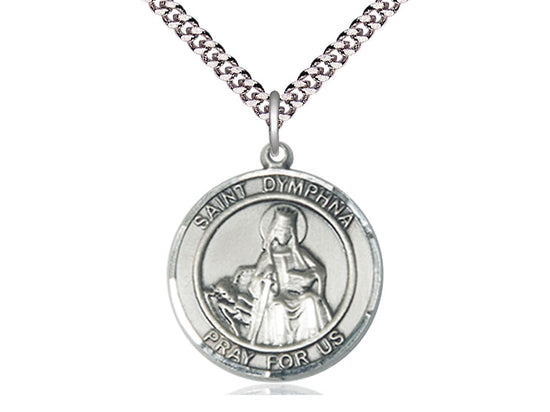
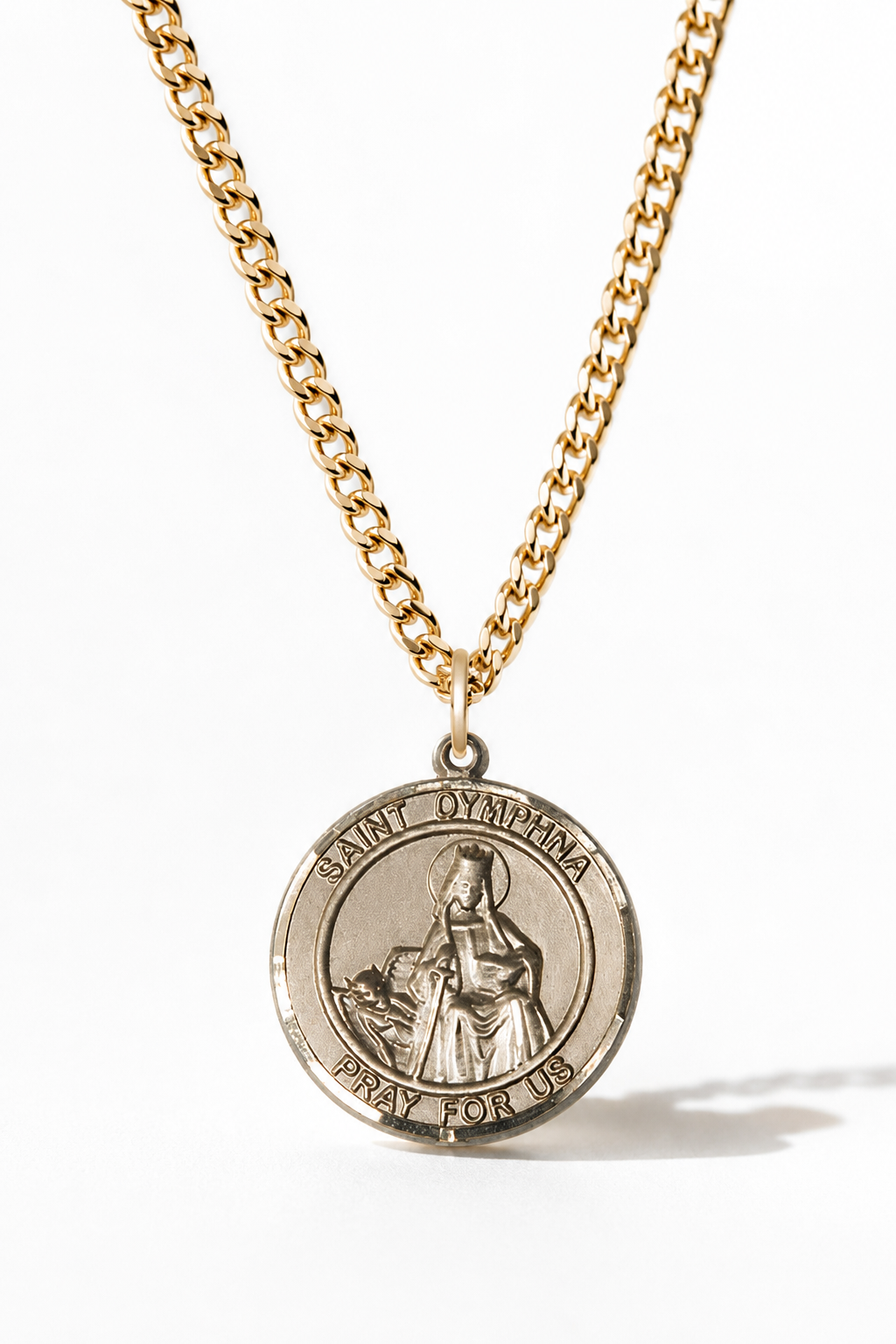
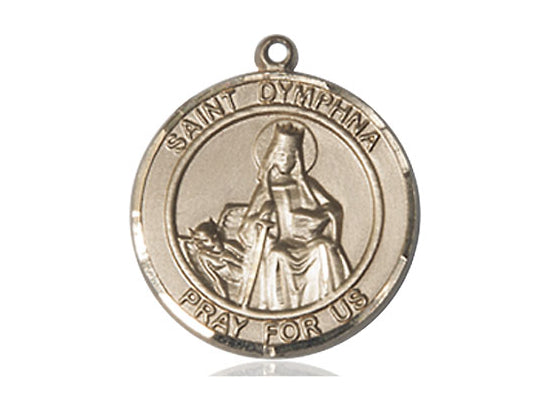
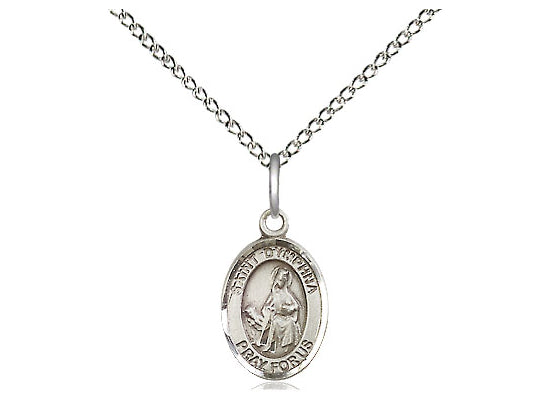
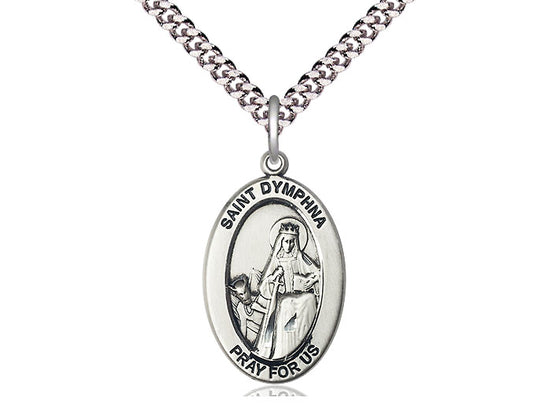
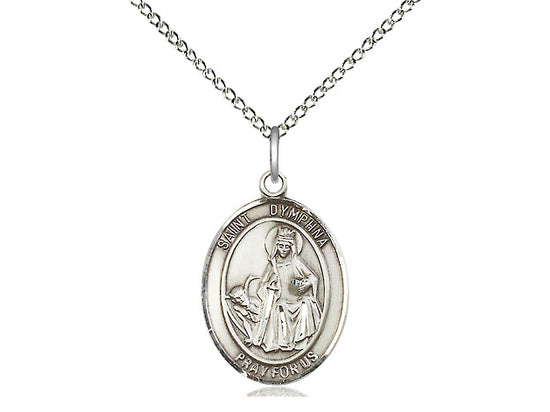
When to Give a St. Dymphna Medal
A St. Dymphna medal can be a thoughtful Catholic gift for someone experiencing anxiety, depression, grief, burnout, emotional exhaustion, or another mental health struggle. It is especially meaningful when the gift is given gently, without pressure, and with a short note of prayer and support.
Many people give a St. Dymphna medal for Confirmation, birthdays, graduation, recovery, difficult seasons, or simply as a quiet reminder that the person is loved and remembered.
What to Write With the Medal
The note does not need to be long. Something simple is often best:
I thought of you and asked St. Dymphna to pray for you. You do not have to respond. I just wanted you to know you are loved and not alone.
Sterling Silver, Gold Filled, or 14KT Gold?
For everyday wear, sterling silver is usually the most popular choice. It is classic, durable, and appropriate for both personal devotion and gifting.
Gold filled medals offer the warm appearance of gold at a more accessible price than solid gold. They are a strong option for someone who prefers gold jewelry but still wants a durable devotional medal.
14KT gold St. Dymphna medals are best for heirloom gifts, major milestones, or a gift from a parent, grandparent, spouse, or godparent.
Frequently Asked Questions About St. Dymphna Medals
Who is St. Dymphna the patron saint of?
St. Dymphna is widely honored as the patron saint of anxiety, depression, mental illness, emotional suffering, and those seeking peace of mind.
Why do people wear a St. Dymphna medal?
Many Catholics wear a St. Dymphna medal as a reminder to pray for peace, courage, healing, and perseverance during anxiety, depression, grief, or emotional hardship.
Is a St. Dymphna medal a good gift for anxiety or depression?
Yes. A St. Dymphna medal can be a meaningful Catholic gift for someone struggling with anxiety, depression, or emotional suffering because it communicates prayer, support, and companionship without pressure.
Does a St. Dymphna medal replace therapy or medical care?
No. A St. Dymphna medal is a devotional reminder and sacramental. It does not replace therapy, medication, medical care, or professional mental health support.
Related Catholic Mental Health Resources
If you are looking for more Catholic resources for anxiety, depression, emotional healing, or mental health support, these pages may help:
- Catholic Gifts for Someone With Depression
- Catholic Gift for a Loved One in a Mental Health Crisis
- St. Dymphna Medal Collection
- Mental Health and Anxiety Patron Saint Collection
